
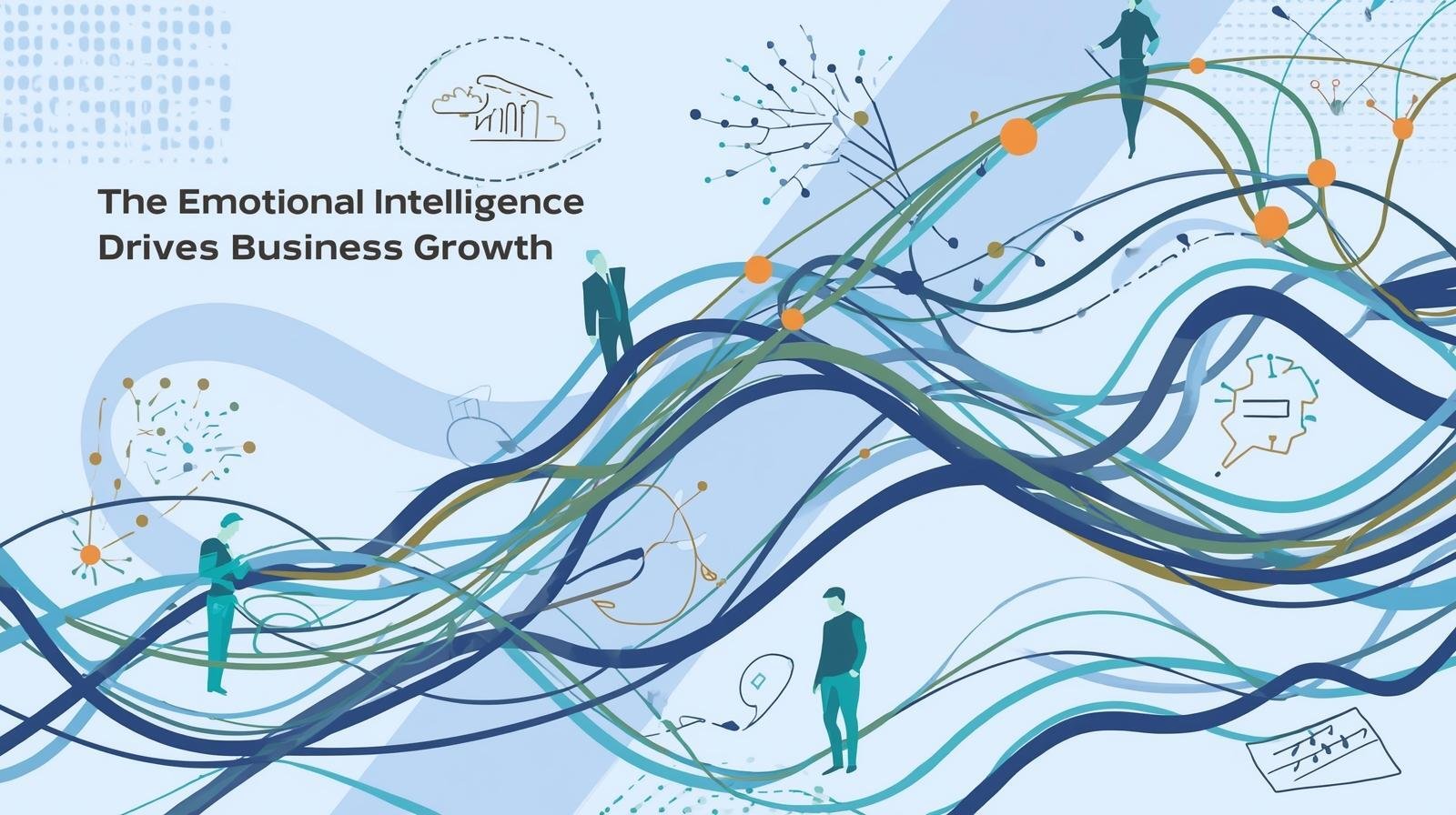
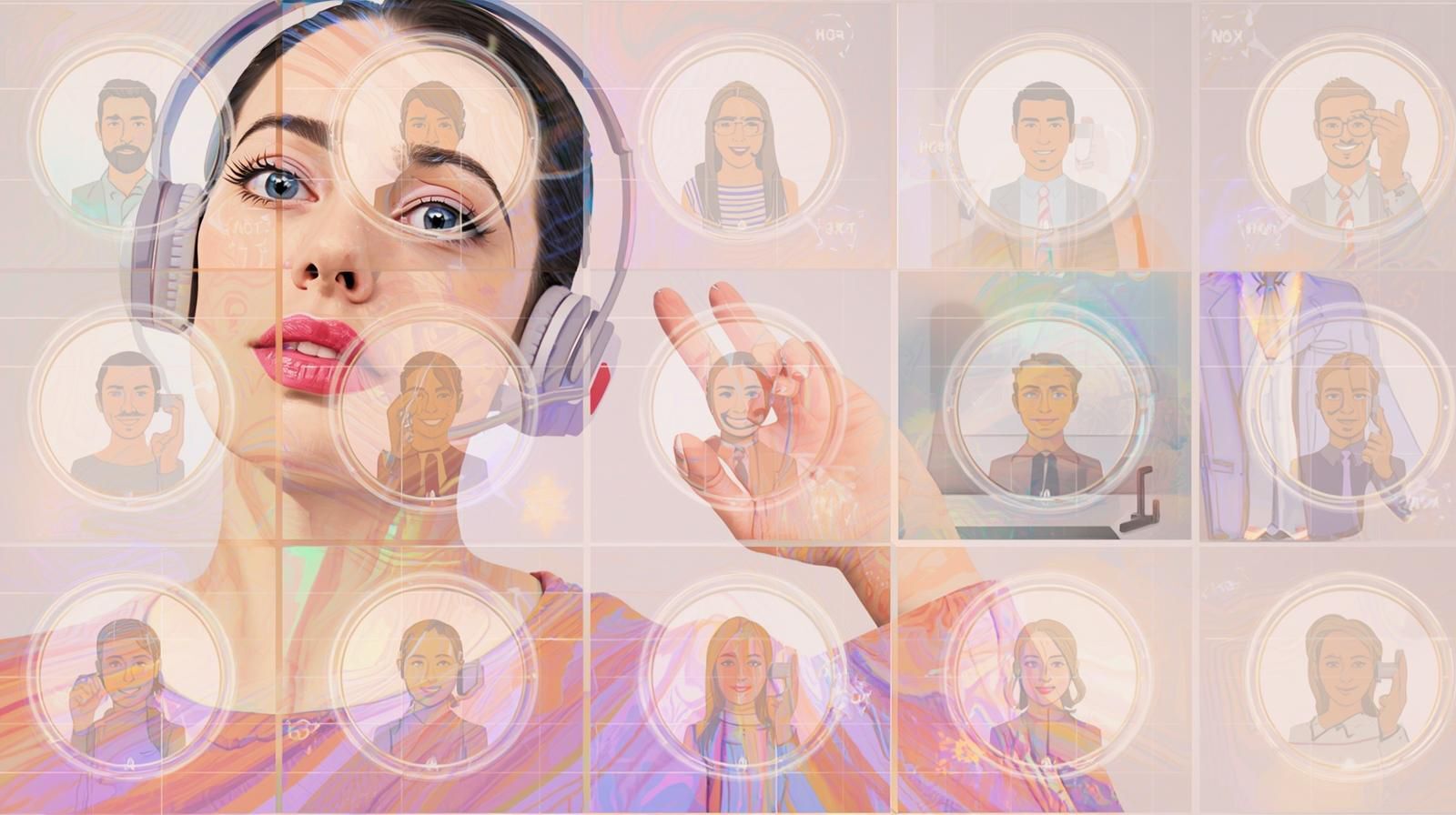
The ROI of Empathy: How Emotional Intelligence Fuels Business Growth

AI
You can’t see empathy on a balance sheet — but you can feel its impact in loyalty, retention, and long-term growth.
For decades, businesses measured performance by efficiency and output. But in today’s experience-driven economy, customers don’t just remember what you did — they remember how you made them feel.
From Efficiency to Emotion
In the early days of customer service, empathy was often seen as a “nice-to-have.” The goal was to close tickets quickly, not connect emotionally. But as technology advanced and markets became saturated, customer expectations evolved.
Now, 70% of buying experiences are based on emotion, and brands that lead with empathy outperform competitors by double digits in satisfaction and loyalty.
The shift became undeniable during the pandemic, when customers didn’t just want support — they wanted understanding. Companies that communicated with compassion built trust and brand equity that still pay off today.
Empathy as a Business Strategy
Empathy isn’t about being soft — it’s about being strategically human.
Leaders like Satya Nadella at Microsoft rebuilt entire cultures by putting empathy at the center. His leadership transformed Microsoft’s internal collaboration and external relationships, sparking innovation and renewed customer trust.
Zappos, another great example, empowers agents to go beyond scripts — to listen, understand, and delight. Their empathy-driven culture translates directly into repeat business and lifelong advocates.
The Expert View
Emotional intelligence expert Daniel Goleman says:
“Empathy is the foundation of emotional intelligence — and emotional intelligence predicts success better than IQ.”
Empathy in business means reading emotional cues, responding authentically, and aligning every decision with customer values.
And according to Harvard Business Review, companies ranked high in empathy see 20% more loyalty and revenue growth than their competitors.
Actionable Takeaways
-
Train for empathy: It’s a learnable skill that should be part of every onboarding.
-
Measure what matters: Track customer sentiment and emotional impact, not just response time.
-
Lead with empathy: Culture starts at the top. When leaders listen, teams mirror that behavior with customers.
-
Use tech wisely: AI can process emotions at scale — but only humans can respond with genuine care.
Looking Ahead
As automation grows, empathy becomes your greatest competitive advantage. The brands that will dominate the next decade aren’t those with the best technology — but those that combine innovation with humanity.
Because at the end of the day, business growth isn’t just about what you sell.
It’s about how you make people feel while they buy it. 💡